Upright vs. Grand Piano Moving: What Harrisonburg Homeowners Need to Know in 2026
Moving pianos looks simple from the outside but involves real logistical decisions that differ based on the type of instrument. Homeowners in Harrisonburg, VA, who need piano moving services often don't realize that an upright and a grand piano require completely different approaches, equipment, and crew sizes. Understanding those differences before moving day can protect your instrument, your home, and your peace of mind.
Upright Pianos: Common, But Not Simple to Move
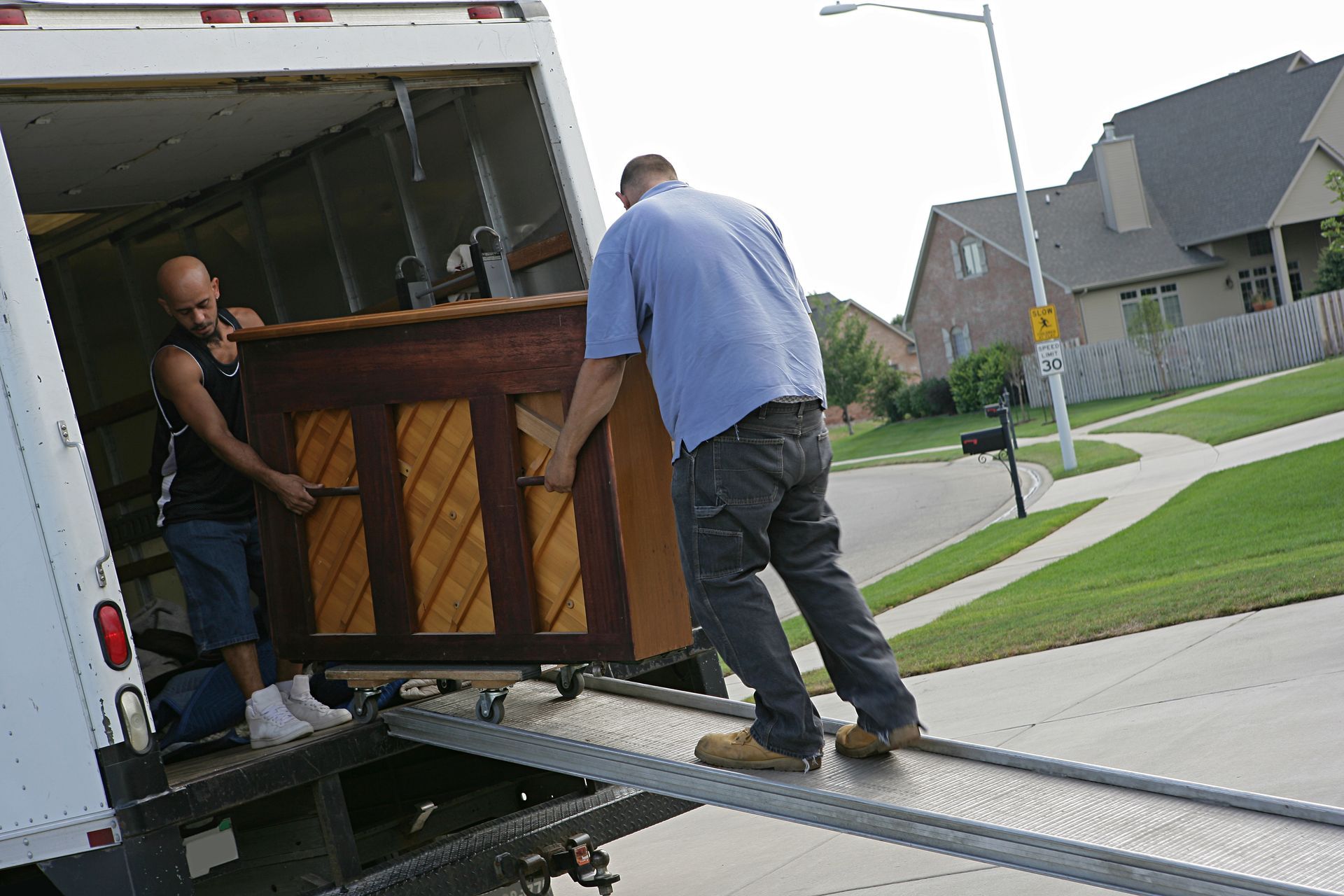
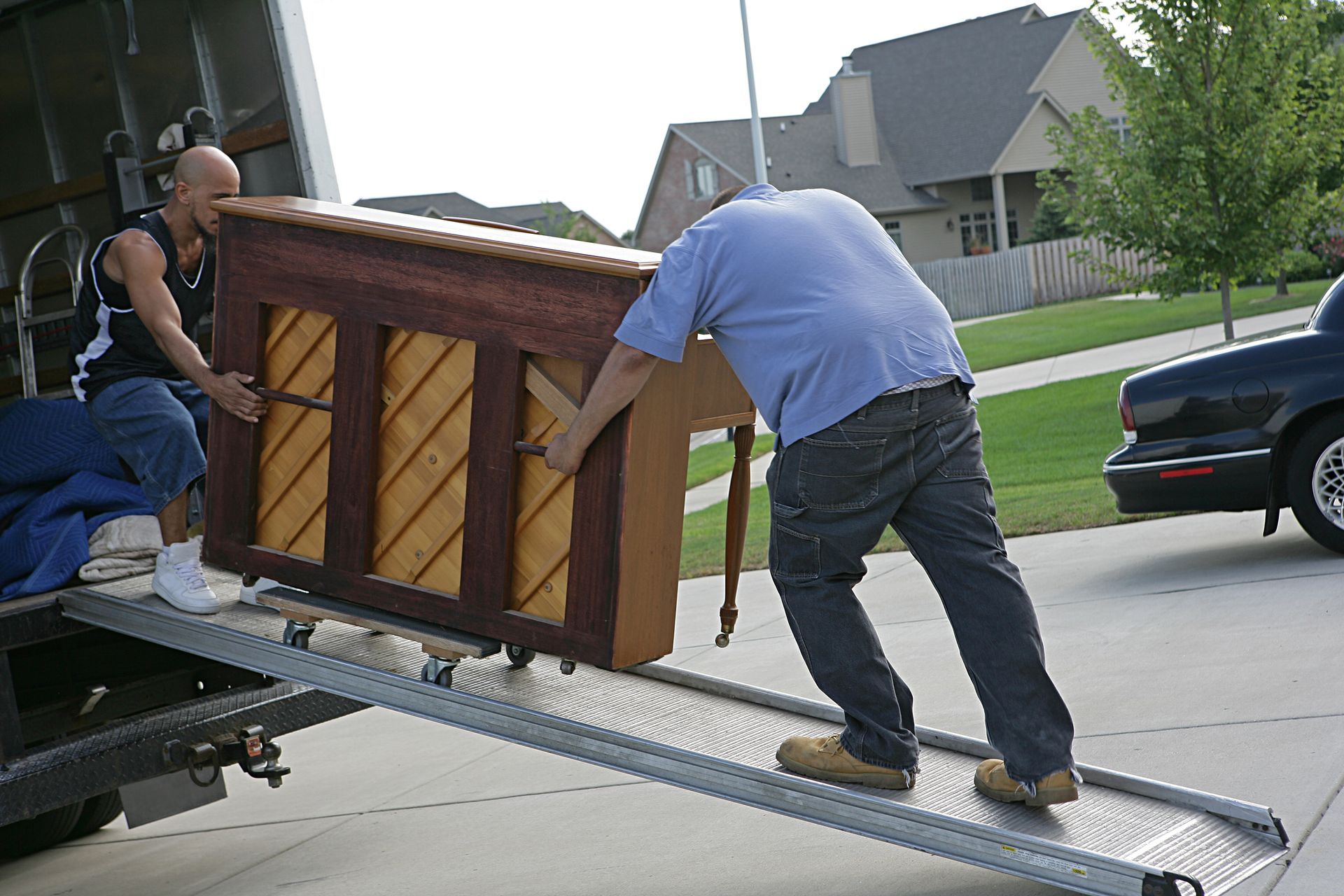
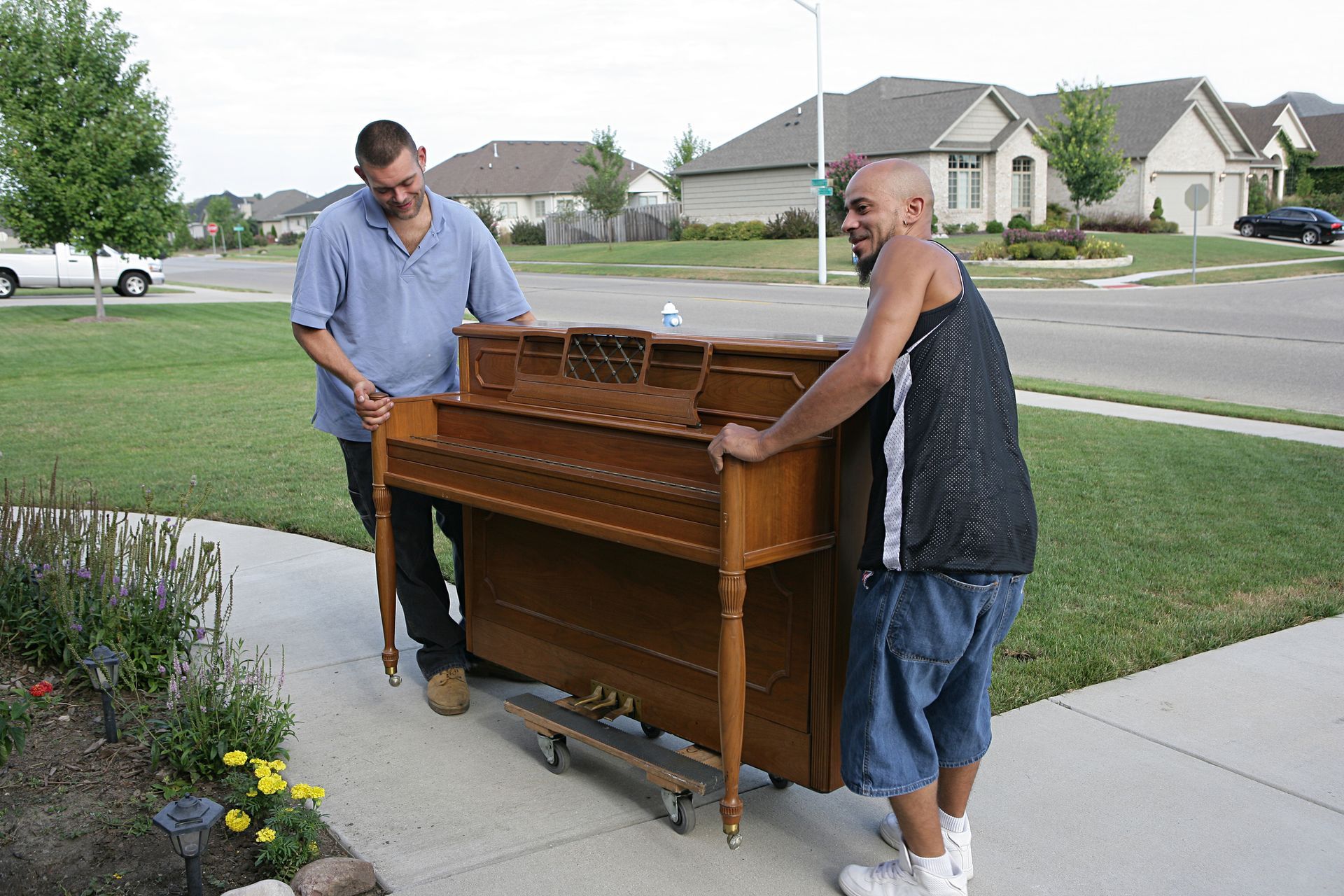
Upright pianos are the most frequently moved type in the Shenandoah Valley. They stay upright throughout the move, so no body disassembly is required. That said, they are not easy to move. Spinet and console models may weigh 300 to 400 pounds, while full-size uprights can reach 600 to 800 pounds. Their weight sits high, making them top-heavy and prone to tipping.
Doorways and hallways are the main challenge. Harrisonburg's Old Town neighborhood features early 20th-century homes with narrower openings than modern construction. A standard upright may need to be angled or temporarily tilted to clear a tight doorframe. Steep, narrow staircases in areas like the Collicello Corridor demand a crew that knows how to work a piano skid board and use straps correctly. Newer builds in neighborhoods like Sunset Heights or Crossroads Farm offer more straightforward access, though multi-story layouts and attached garages still present turning challenges.
How Does Moving a Grand or Baby Grand Piano Differ?
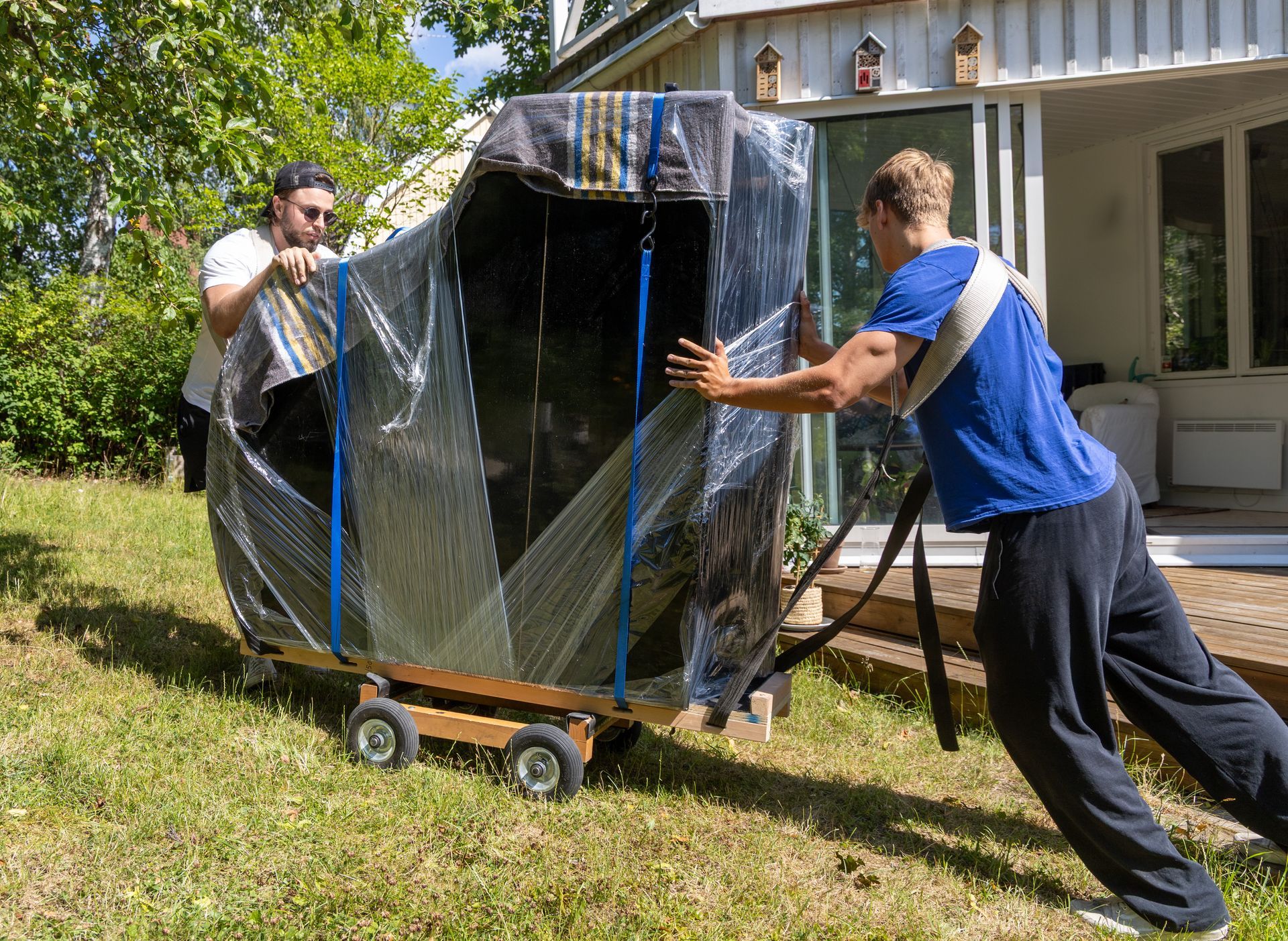
Moving a grand or baby grand is a more complex process. Grand pianos must be partially disassembled before transport. The lid, music rack, lyre assembly, and all three legs are removed and padded individually. The body is then tilted and lowered onto a piano skid board and strapped securely. Skipping disassembly is one of the most common causes of damage during a piano move.
Baby grands typically weigh 400 to 600 pounds and measure roughly 4.5 to 5.5 feet in length. Concert and parlor grands can weigh 500 to over 1,200 pounds. Proper handling requires at minimum three experienced movers, and larger instruments may need four or more.
The horizontal, wing-shaped footprint of a grand piano creates a different clearance problem than an upright. Even after disassembly, the main body is long and low and difficult to navigate through standard doorways without pre-move planning. Homeowners in Harrisonburg, VA, who own a grand or baby grand should have a specialist assess doorway widths, staircase dimensions, and room placement before any equipment enters the house.
Local Factors Harrisonburg Homeowners Should Know
Historic home layouts. Old Town Harrisonburg was added to the National Register of Historic Places in 2008, and many properties date to the late 1800s and early 1900s. These homes may have doorways narrower than today's standard 32 to 36 inches, winding staircases, and hardwood floors that scratch easily. A professional crew will assess these conditions ahead of time and bring appropriate floor protection.
Multi-story JMU-area rentals and condos. Homes and apartments near James Madison University frequently involve stairwells with multiple landings, tight elevator access, or no elevator at all. Moving a baby grand or full upright into an upper-floor unit requires coordination that a general moving crew may not be trained for.
Seasonal humidity in the Shenandoah Valley. Virginia's warm, humid summers and cold winters can affect tuning and internal components when a piano is exposed to rapid temperature changes during transport. Fully wrapping the instrument during loading and unloading reduces that exposure.
When Is a Piano Moving Specialist Non-Negotiable?
A specialist is non-negotiable when any of these conditions apply:
- The piano is a grand or baby grand requiring full disassembly before transport.
- The move involves stairs, tight corners, or historically narrow doorways.
- The instrument is rare, antique, or high-value where replacement cost is significant.
- The destination room requires precise placement, such as avoiding load-bearing walls or specific flooring types.
For a straightforward upright on a single-floor layout with wide access, an experienced general moving crew that regularly handles pianos may be sufficient. The key phrase is "regularly handles pianos." Not every mover has the right equipment or experience for this job.
What Equipment Should Piano Movers Bring?
Professional movers handling any piano should arrive with piano skid boards, heavy-duty moving blankets, ratchet straps, and a dolly rated for the instrument's weight. For grand pianos, they also need tools for leg and lyre removal, padded containers for hardware, and enough crew to safely tilt the body. Asking about equipment before booking is a reasonable step for anyone planning a piano move in the Harrisonburg area.
Ready to Schedule Your Piano Move in Harrisonburg?
Knowing the difference between an upright and a grand move helps you ask better questions before you book. The right crew, the right equipment, and a pre-move walkthrough can mean the difference between a smooth piano move and a costly mistake.
Premier Moving serves Harrisonburg, VA, and the surrounding Shenandoah Valley region, handling upright, baby grand, and grand piano moves with specialized equipment and proven processes. Request a free, no-obligation quote through the piano moving service page, or reach out via the contact page to discuss your instrument, home layout, and timeline. Call (540) 480-0602 to speak with the team today.